

Read our latest blog posts

Strength of stimulation and number of eggs are not equivalent
I was interested to hear from Prof Geeta Nargund that mild or natural IVF would, in her opinion, be a viable option for women with low ovarian reserve. Being that I have POI myself, I was always advised not to go for this option because I would produce so few eggs. Prof Nargund is indeed a pioneer in the field of Natural and Mild IVF.
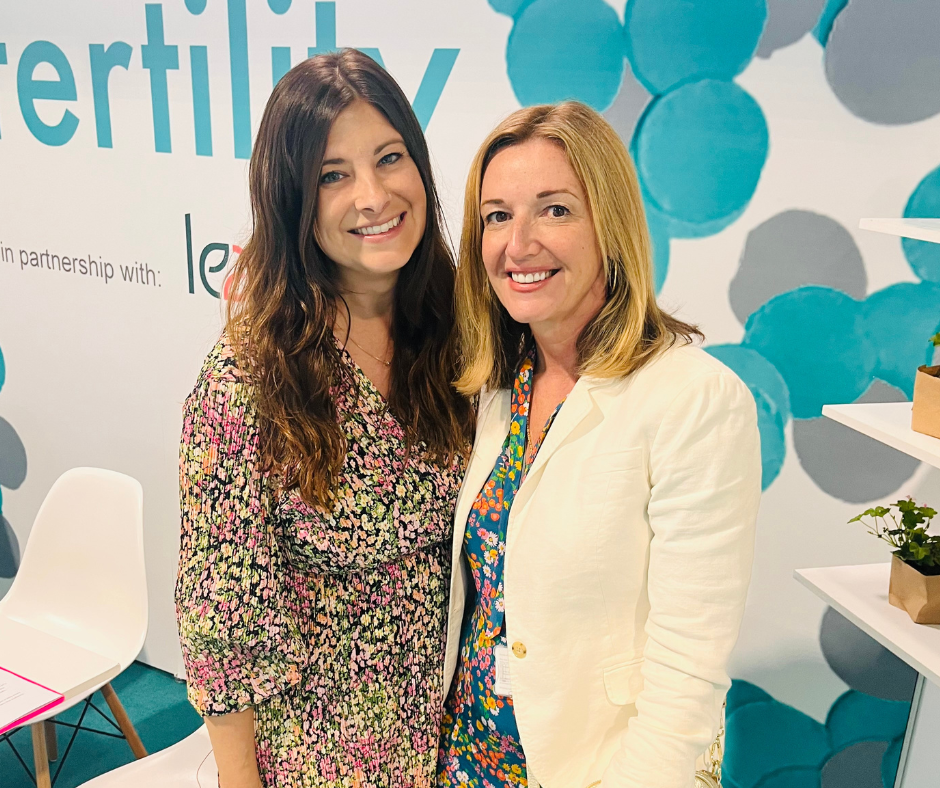
Q&A with the face of The Fertility Show, Sophie Sulehria
I am delighted to see both The Fertility Show and also the Let’s all Talk webinars go from strength to strength. I first visited the Show as a fertility patient, lost and totally unaware of what to do about our situation. Just by being around the clinics and realising all the options helped us to focus our mind and strategy. Now, eight years on, and (in my opinion) The Fertility Show has vastly improved. The holistic side of things has really taken off. We understand and recognise how important community is on this bumpy road, which is why the Parla Wellbeing Workshops were so wonderful, for people to check out and find a safe space, away from all the noise.

Thoughts from Seetal Savla on The Fertility Show 2023
I first attended The Fertility Show as a patient in 2018. At that point, I’d had three failed IVF cycles and was considering donor conception. Although I felt optimistic about this path to parenthood, I was overwhelmed by what was involved. After a weekend of visiting stands, sitting in seminars and hearing advocates’ stories, I left feeling more informed and ready to take the next steps. What’s more, I had my first contact with my third, final and favourite clinic there, plus my future consultant!

An interview with Shaun Greenaway aka Knackered Knackers
However, after many months having no success, we went to the Doctors to explain our concerns. Following initial tests on both of us, it was established that I had Azoospermia – no sperm in my semen. This was most likely due to having Mumps as a young adult, but I also had a large varicocele - a cluster of enlarged veins above the testicles - which also creates problems with sperm production.

Exhibitor Spotlight: Clínica Tambre
At Tambre, all of our treatments carefully adjust to suit the personal situation of each patient, in order to offer them the best results. One of the aspects that makes us the preferred choice is our team. They are composed of native speakers from different countries, which makes the approach with international patients more personal and intimate. It is not just about speaking the same language, but also about understanding their habits, culture, lifestyle, etc. Most importantly of all however, is a diagnosis - it's essential to us. We therefore meticulously study the medical file of each patient and, if necessary, carry out additional tests to prevent risk factors that could negatively affect the pregnancy. These facts have led Tambre to be very well placed on an international scale with one of the highest success rates at a national and European level.

Kreena Dhiman shares her story
My journey with infertility began when I was diagnosed with breast cancer aged 33. My husband and I had been married for two years, we were looking to begin building our family, but then cancer tore through our world. One conversation that will never leave me came about when I asked my oncologist about the effects of chemotherapy on my fertility and ability to become a Mum. 'Kreena' he replied, 'My job here is to save your life, not to create new life.' It felt like the harshest reality check I had received about my disease and the impact it would have on my future, if I were to survive to have one.

Carla Cressy shares her endometriosis story with us
My Endometriosis story started back in 2004 when I was just thirteen. Despite suffering with all the common symptoms of Endometriosis, it took over a year for my mum and I to convince my GP to refer me to see a gynaecologist where I had my first trans vaginal scan. Feeling relieved I’d finally have answers to my crippling pain, the gynaecologist told me everything was normal, that periods are supposed to be painful, and she sent me on my way. I was fourteen at the time. Still, mum and I persisted and every time I had my period, which was every two weeks, I would find myself at the GP surgery seeking answers for my excruciating pain and collapsing episodes.