Read our latest blog posts
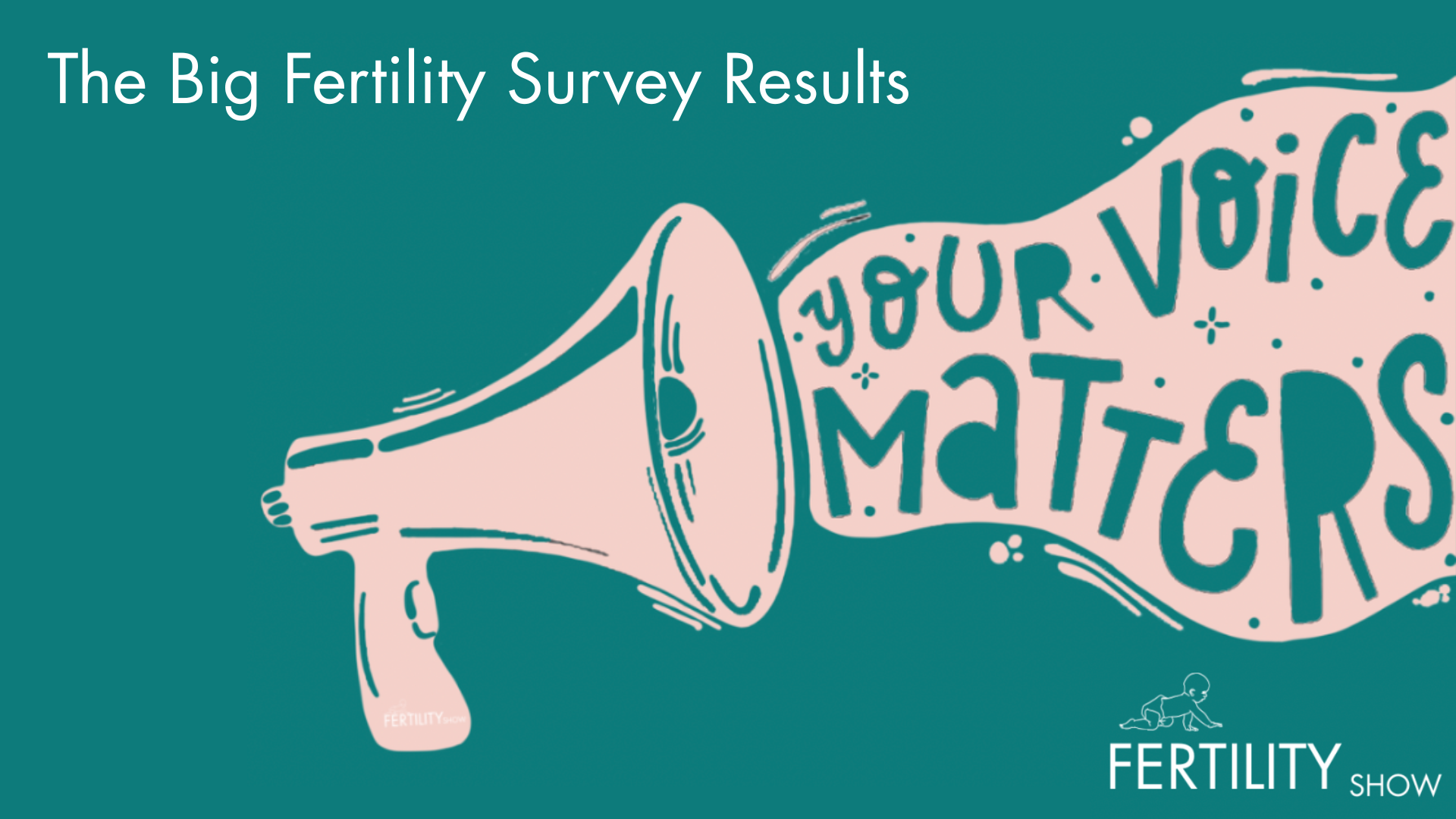
The Fertility Show’s survey reveals the impact of infertility on work, finances and mental health
The results are in and analysed... 96% of people experiencing infertility say it has affected their working life.
That’s one of the starkest findings from The Fertility Show’s 2026 Survey, which draws on the experiences of our community.
People told us about struggling to concentrate, needing time away for appointments and coping with increased stress and anxiety - often while feeling unable to be honest about what they were going through.
And fertility is only one part of a much bigger workplace conversation.
This is why we’re holding the Women in Work x Let’s All Talk Fertility Forum in Manchester on 4 November, during National Fertility Week.
We’ll bring together leading employers, clinicians, workplace experts and people with lived experience to explore meaningful workplace support around:
Menstruation and menstrual-health conditions
Fertility challenges and treatment
Miscarriage and pregnancy loss
We’ll examine how these experiences affect attendance, confidence, performance, progression and retention, and what organisations can do to help people remain and thrive at work.
Read the full survey article here.

POI affects 1 in 27 women… so why is it still being treated like a rare condition?
Premature ovarian insufficiency may affect as many as one in 27 women, yet many people have never heard of it - and women can still face delayed diagnosis, limited support and a fight to access appropriate treatment.
For our Content Director, Sophie Sulehria, this story is a personal one.
After two laparoscopies for stage four endometriosis, she discovered that she also had POI.
Yet later in life, despite experiencing hot flushes, night sweats, poor sleep, anxiety, brain fog and fatigue, she struggled to convince doctors that she needed HRT because she was considered “too young”.
But that is precisely the point of POI: it happens before the age of 40.
In our latest article, Sophie combines her personal experience with findings from a new white paper produced by The POInt in consultation with the Daisy Network.
She asks: if POI affects one in 27 women, why is it still being treated like a rare condition?
It is time for greater awareness, earlier diagnosis, better research and care that recognises POI as far more than a fertility issue.
Read the full article here

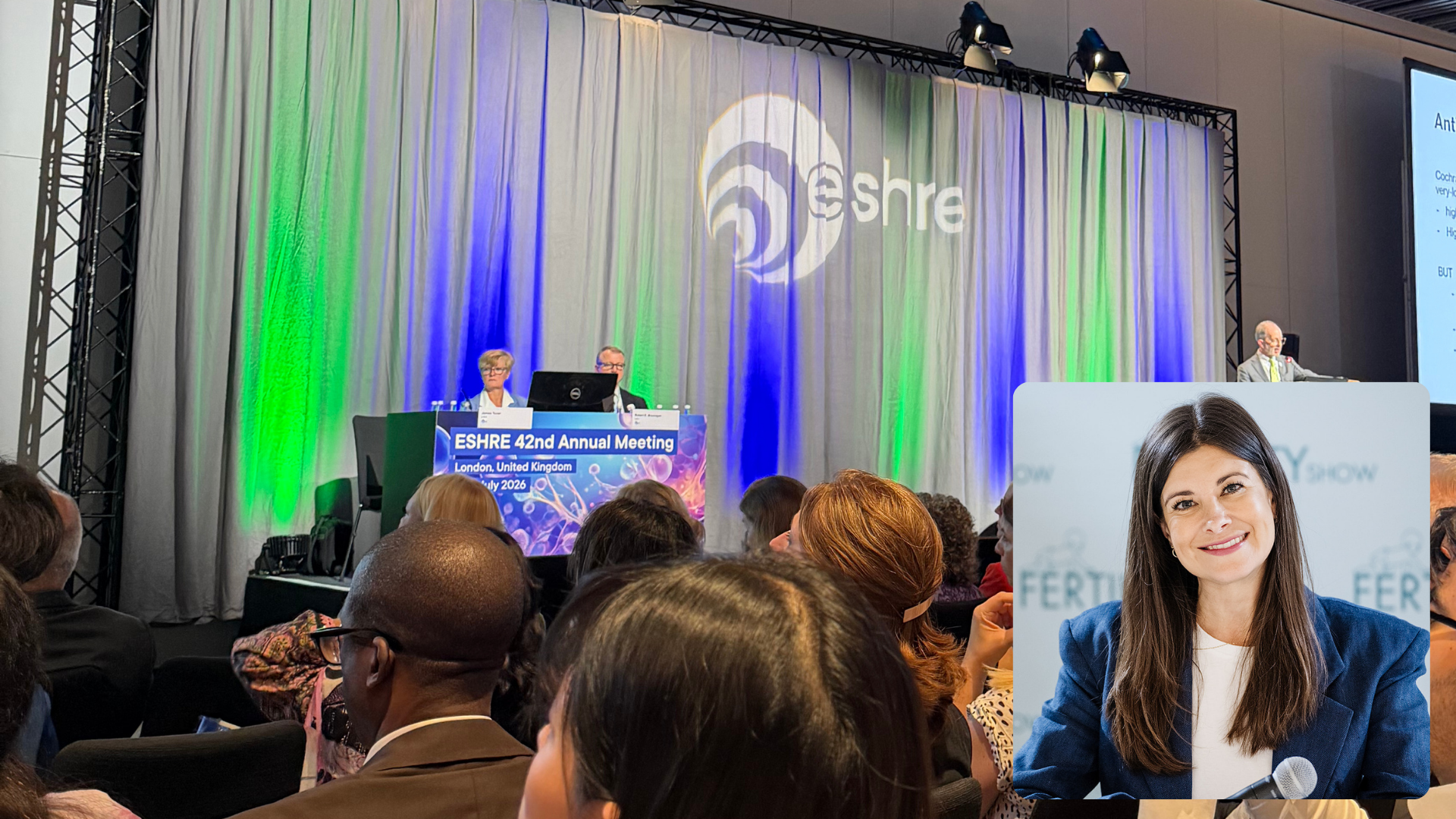
What ESHRE 2026 Means for Patients: The Biggest Fertility Stories from This Year's Congress
What does the latest fertility research actually mean for patients?
This summer we've been covering what happened at ESHRE 2026, the science was exciting and advancing at an extraordinary pace.
One message came through clearly: progress is about far more than developing new treatments.
It means making sure patients can access them, understand them and trust the evidence behind them.
Our Content Director, Sophie Sulehria, attended the ESHRE Annual Meeting for the first time and has brought together the biggest stories patients need to know, including:
• Why affordability may be one of the greatest barriers to fertility treatment
• What the evidence really says about lifestyle, stress and IVF
• How fertility treatment across Europe is evolving
• Why pregnancy loss must become a greater women’s health priority
• What researchers are discovering about male fertility
• Why promising new treatments must be matched by robust evidence
• Why psychological support should be part of fertility care - not an optional extra
The science offers enormous hope. But real progress means clear, trustworthy information, greater emotional support, fewer inequalities and innovation that benefits everyone - not only those who can afford it.
Read Sophie’s full ESHRE 2026 patient roundup here.
Why Are Miscarriage and Ectopic Pregnancy Admissions Rising Again?
Why are hospital admissions for miscarriage and ectopic pregnancy rising again?
Research analysing 20 years of hospital data from England, and the findings are deeply concerning.
After years of decline, admissions for both complications began rising again following the COVID-19 pandemic. But perhaps the most striking finding was the inequality behind the figures.
Women living in England’s most deprived communities experienced:
• Around 2.7 times more hospital admissions for miscarriage
• Around 2.4 times more admissions for ectopic pregnancy
than women living in the least deprived areas.
The research cannot tell us why this is happening - or whether the figures represent more pregnancy losses overall, rather than an increase in those requiring hospital care. But it raises urgent questions about access to healthcare, pressures on early pregnancy services and the persistent impact of socioeconomic inequality on women’s health.
In Sophie Sulehria’s latest article for The Fertility Show, we take a look beyond the statistics and ask what these findings could mean for early pregnancy and fertility care.
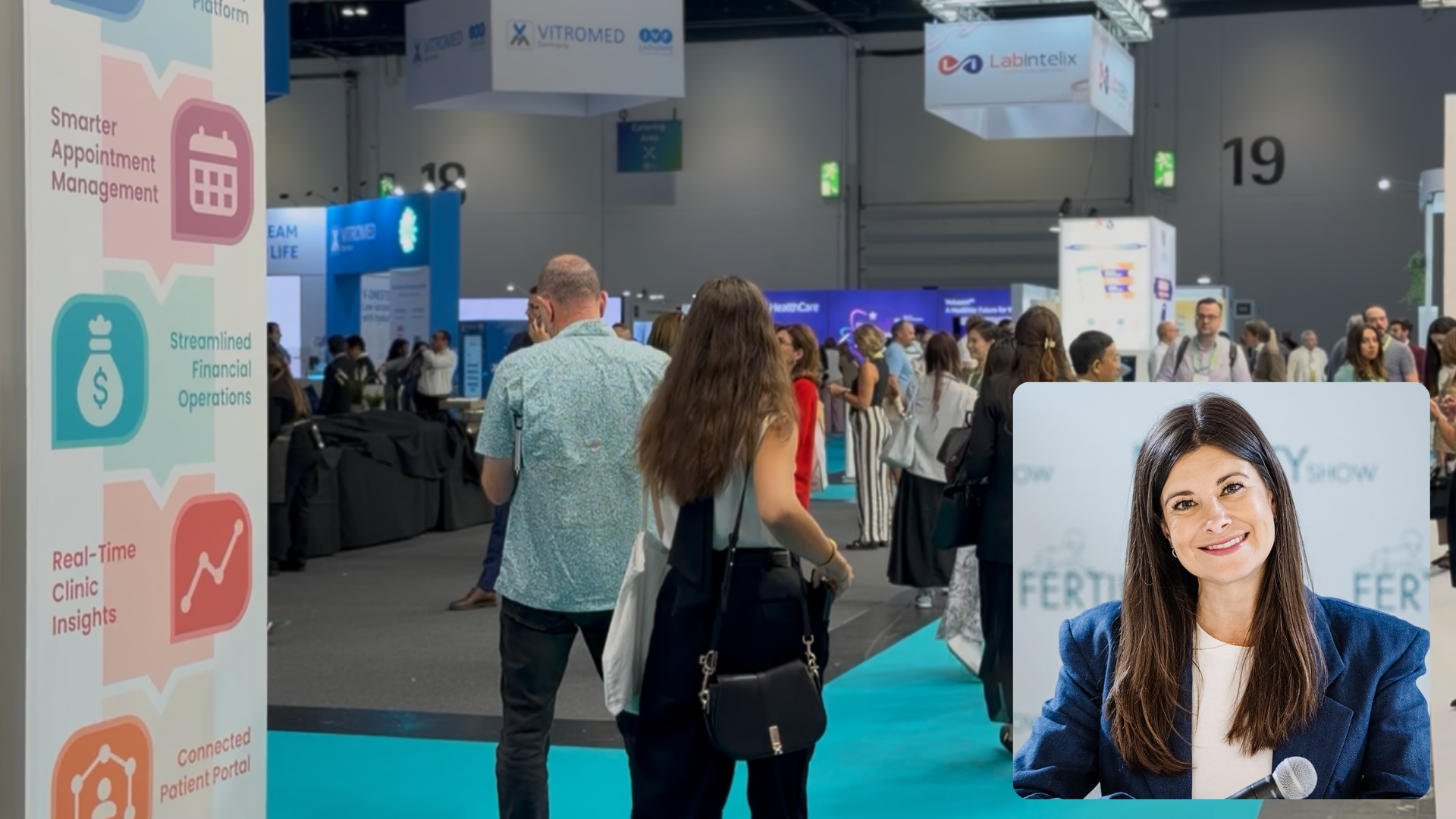
What Europe’s Latest IVF Data Tells Us About the Future of Fertility Care
What can 1.15 million IVF treatment cycles tell us about the future of fertility care?
More than you might think.
Every year, the European Society of Human Reproduction and Embryology (ESHRE) publishes one of the most comprehensive snapshots of fertility treatment across Europe. The latest data, from more than 1.15 million treatment cycles in 36 countries, reveals not just how many people are accessing treatment, but how fertility care itself is evolving.
Some of the biggest takeaways include:
Frozen embryo transfers are now a routine part of IVF treatment.
Clinics are transferring fewer embryos while maintaining strong success rates.
Serious complications remain uncommon, reflecting continued improvements in patient safety.
Better data is helping shape a future of more personalised fertility care.
For patients, these aren't just statistics.
They represent a specialty that is continually learning, refining its approach and improving outcomes. Behind every data point is someone hoping to build a family.
As part of our ESHRE 2026 series, our Content Director Sophie Sulehria explores what Europe's latest IVF data really tells us, and why it matters for anyone considering or undergoing fertility treatment today.
Read the full article here below.
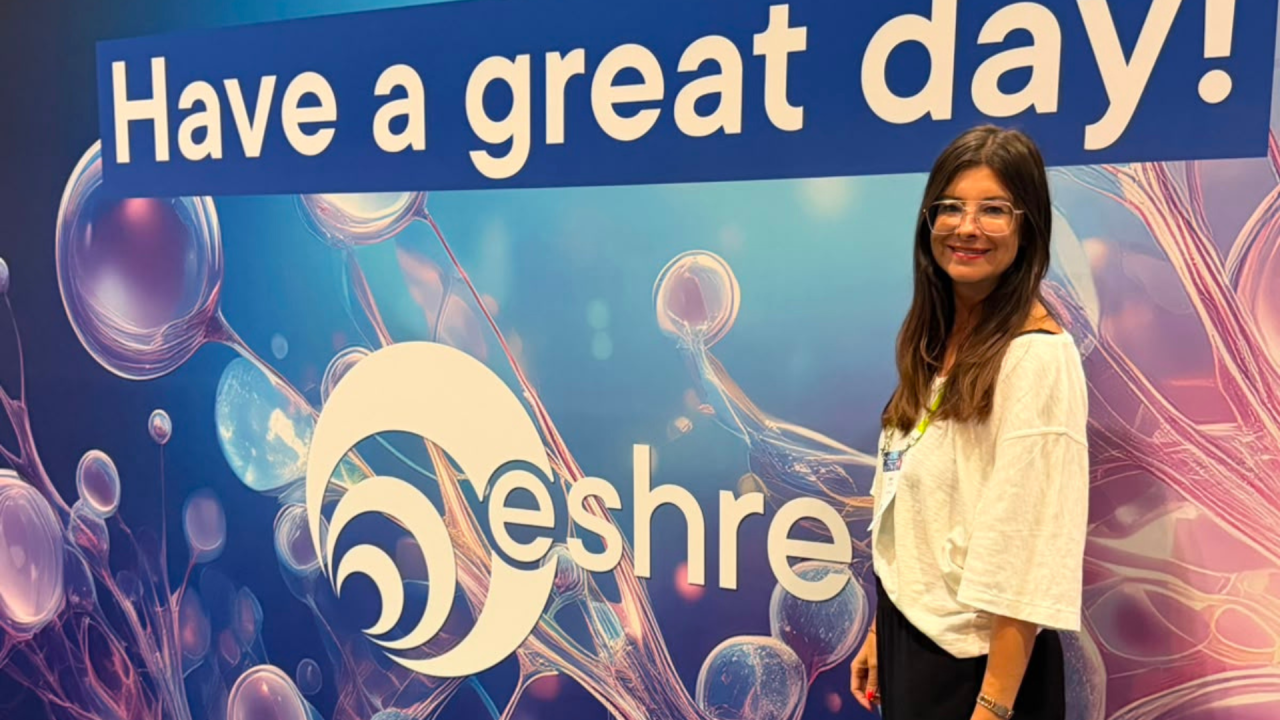
My First ESHRE: What I Learned About the Importance of Lifestyle and Nutrition
Can stress really affect the outcome of IVF?
It is a fear many fertility patients carry.
Was I too stressed? Did I worry too much? Should I have rested more? Eaten differently? Done something differently?
Our Content Director, Sophie Sulehria, has just returned from her first time at European Society of Human Reproduction and Embryology (ESHRE) - one of the world’s biggest gatherings of fertility professionals - with pages of notes, hundreds of questions and some important messages for patients.
One of her standout sessions explored lifestyle and female fertility with Professor James P Toner (Jim Toner).
The research presented looked at the potential role of folic acid, Omega-3s, a Mediterranean-style diet and sleep.
As Sophie writes:
“There is a huge difference between giving patients useful, evidence-based information and making them feel responsible for an outcome they cannot control.”
Lifestyle and nutrition can be important. Giving patients evidence-based ways to feel more informed and empowered can be important too.
But fertility patients have carried enough guilt.
In her first article from ESHRE, Sophie shares what she learned about lifestyle, nutrition, sleep, stress and why giving patients more agency should never mean giving them more blame.
Read the full article here.
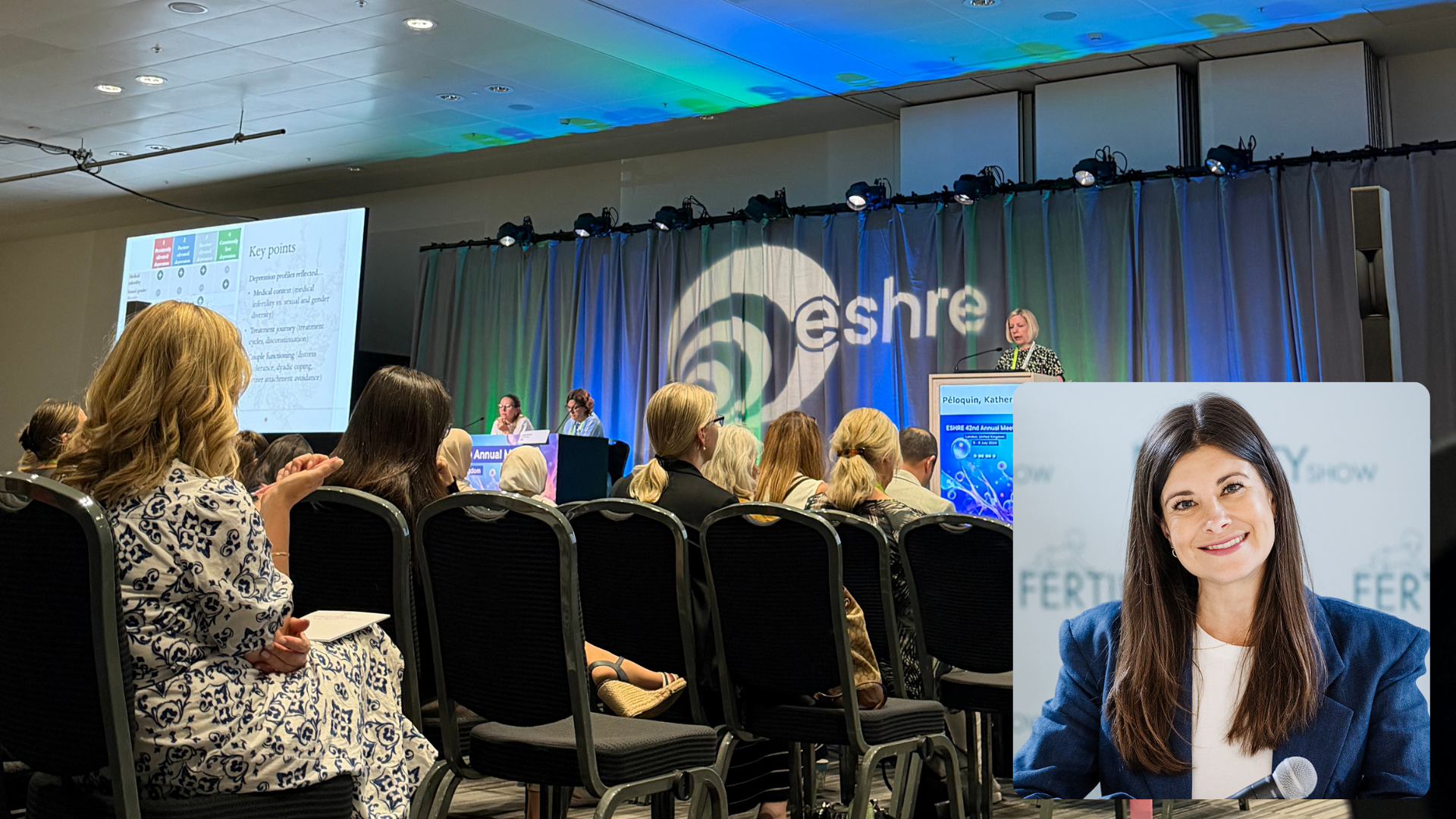
Could where you live affect male fertility?
Could where you live affect male fertility?
New research presented at this year’s ESHRE Annual Meeting found striking regional differences in sperm quality across Spain - despite men reporting broadly similar lifestyle habits.
Men living in northern Spain had an average total motile sperm count of 94.35 million. In central Spain, that figure was almost half, at 50.11 million.
Reduced sperm motility was also found in:
23.9% of men in northern Spain
53.4% in central Spain
55.4% in southern Spain
The study doesn’t prove that geography causes poorer sperm quality, and it certainly doesn’t suggest that moving house is the answer.
But it raises an important question:
If lifestyle alone doesn’t explain these differences, what else might be influencing male reproductive health?
Researchers believe environmental exposures - including air pollution - deserve closer investigation.
Male factors contribute to around half of cases where couples have trouble conceiving. Yet male fertility remains under-researched and is still too often missing from the wider fertility conversation.
In the latest article in our ESHRE 2026 series, our Content Director Sophie Sulehria explores what the researchers found, what the results don’t mean and why the environment is becoming an increasingly important area of fertility research.
Read the full article here.
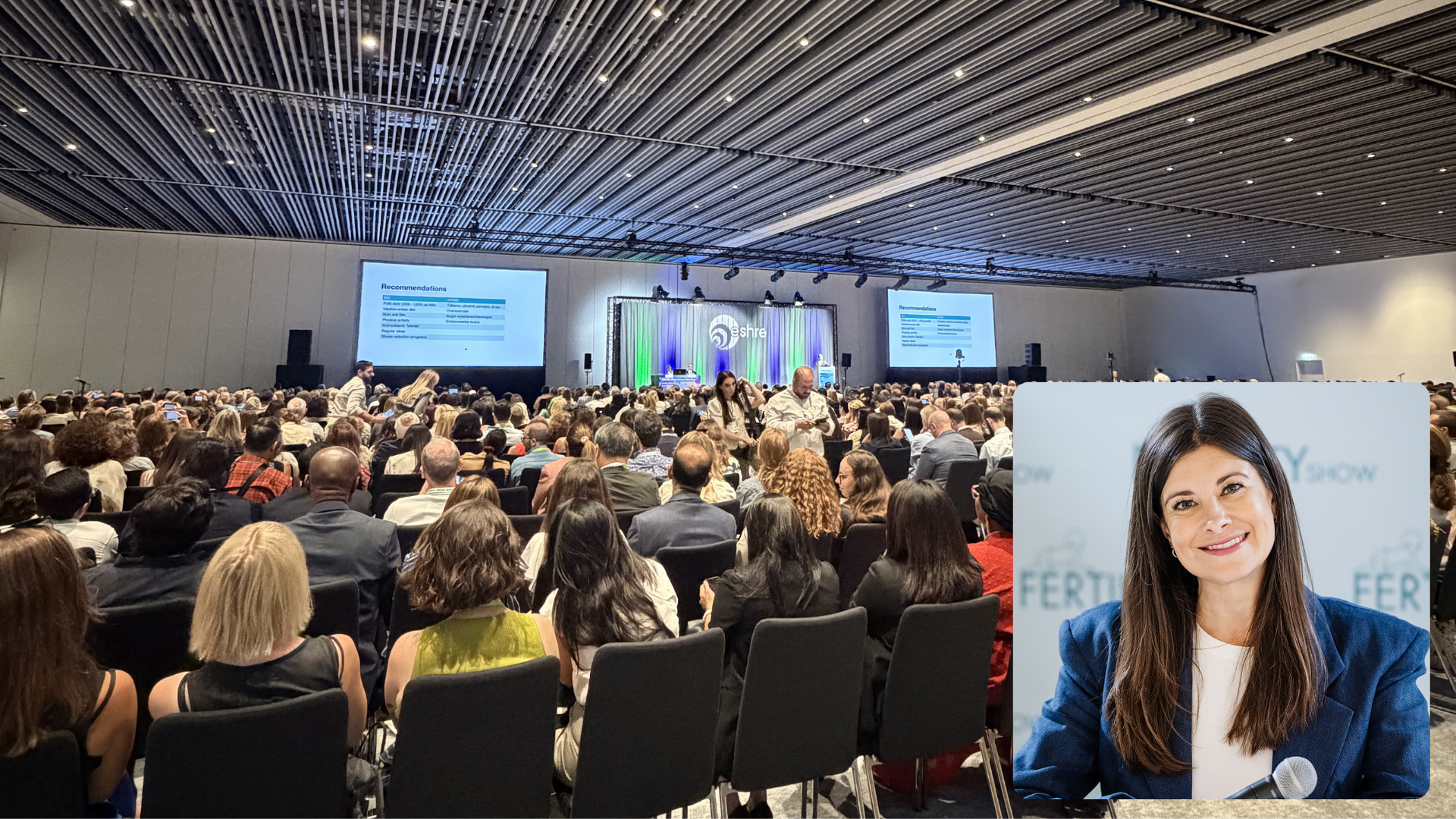
Why Affordability Could Be the Biggest Fertility Issue Facing Patients
What if the biggest barrier to having a baby isn't a medical one, but a financial one?
Every year, the European Society of Human Reproduction and Embryology (ESHRE) Annual Meeting showcases the latest advances in fertility science. But among the discussions on AI, genetics and emerging treatments, one piece of research stood out for a very different reason.
Researchers found that affordability could explain up to 84% of the variation in fertility treatment use between countries, with the potential to dramatically increase births through assisted reproductive technology if treatment became more affordable.
It's a powerful reminder that for many people, the greatest barrier isn't whether treatment exists – it's whether they can afford to access it.
At The Fertility Show, we're committed to helping patients make sense of the latest fertility research and, more importantly, what it means in real life.
Read the full blog here
Male fertility is finally entering the conversation, but we're still asking the wrong questions.
Why is male infertility still not getting enough attention?
A recent BBC News feature asked an important question and we answered it.
Because it's a conversation we care deeply about at The Fertility Show.
This year, we made a conscious decision to put male fertility firmly centre stage. Not as a token addition, but as an essential part of the fertility conversation, because male factor infertility contributes to around half of all infertility cases, yet too many men still feel overlooked, under-supported and left out of the process.
As our Content Director, Sophie Sulehria said in the BBC feature:
"Male fertility is not a niche topic. It's a fundamental part of reproductive health. And it deserves the same visibility, the same investment and the same compassion."
Following the article, Sophie has shared her own reflections on why this matters, what still needs to change, and why supporting men ultimately leads to better care for everyone on a fertility journey.
Read the full article here.

The Fertility Show: When Stepping Back Becomes the Step Forward
The Fertility Show may be over for another year, but for many people, the processing is only just beginning.
In our latest blog, fertility counsellor Tracey Sainsbury reflects on the emotional reality of attending The Fertility Show, from the empowerment that comes with information and expert access, to the overwhelm that can follow such a deeply personal experience.
The blog explores why sometimes stepping back, taking time to pause, reflect and process, can actually be the most important step forward on a fertility path.
Read the full blog here.

After The Fertility Show - Taking It All In
If you’ve just been to The Fertility Show 2026, it’s completely normal to feel overwhelmed.
There’s a lot to take in. A lot to process. And often, a lot of emotion sitting alongside all that information.
You may have had conversations you’ve never had before. Heard options you didn’t know existed. Or finally felt seen in a way you haven’t before.
Whatever you’re feeling right now, please know this:
You are not alone.
Read our latest blog for support after the show 💛

Why Male Fertility Matters - and Why We’ve Put It Centre Stage at The Fertility Show 2026
Because this isn’t just a medical gap, it’s a cultural one.
We still hear: “I didn’t realise it could be me” “No one ever asked me about my fertility” “I didn’t know where to go for help”.
That silence delays diagnosis, it increases pressure on partners, and it leaves too many men navigating this alone. So this year, we’re changing that. We are:
- Bringing together leading organisations in male reproductive health
- Showcasing the latest science, diagnostics and treatments
- Creating space for real, honest conversations from men themselves
From expert-led sessions to lived experience panels, this is about making the invisible visible - and making sure men feel part of the conversation, not peripheral to it. Because when awareness shifts, outcomes can too.
Here's how...
3 weeks to go before The Fertility Show 2026
It's 3 weeks to go before The Fertility Show 2026 brings you expert insight and real stories together, all under one roof!
For anyone navigating fertility, the experience can often feel overwhelming.
There are decisions to make, options to explore, and an endless stream of information to process. For many, it can feel isolating too - like you’re expected to quietly figure it all out on your own.
That’s exactly why The Fertility Show 2026 exists.
A long-overdue shift: What the new NICE fertility guidelines mean for people with endometriosis
Endometriosis has long sat in a grey area when it comes to fertility care.
Not unexplained.
Not fully understood.
And too often - not taken seriously enough.
That’s why the latest update from NICE - National Institute for Health and Care Excellence matters.
For the first time, endometriosis has its own dedicated pathway within fertility guidelines.
It sounds technical. It isn’t.
It means:
No longer being grouped under “unexplained infertility”
More personalised, evidence-based conversations
Fewer barriers to accessing treatment
For the 1.5 million people in the UK living with endometriosis, this is long overdue.
But guidance is only as powerful as its implementation.
So the real question now is - will this change what actually happens in clinics?
Sophie Sulehria has written about what this means in practice - and why it matters.

Men Have a Biological Clock Too - and Why the Framing Matters
Dr Theresa Larkin's recent article in The Independent, “Men Have a Biological Clock Too”, brings much-needed attention to male fertility and ageing - an area backed by strong science but often missing from mainstream conversation.
It’s a timely reminder that fertility has never been solely a women’s issue. How we frame these discussions matters, and even small shifts in language can help create a more balanced, inclusive understanding.
At The Fertility Show, we see the difference when male fertility is addressed directly and thoughtfully. When both partners are included from the start, conversations - and care - feel stronger.
The Fertility Show Returns – And Why This Conversation Matters
As we step into 2026, many organisations are reflecting on priorities for the year ahead – from wellbeing and inclusion to how we better support employees through life stages that profoundly affect work. Fertility is one of those experiences that often remains hidden in the workplace, yet it has a significant impact on performance, retention and progression.
This is where workplace networks and employee resource groups (ERGs) play a critical role – creating visibility, connection and meaningful support for those navigating fertility challenges.
That’s why we’re excited to share our first announcement of the year: tickets are now on sale for The Fertility Show, returning to Olympia London on 16–17 May 2026.
Across two inspiring days, we bring together world-class fertility specialists, clinicians, advocates and people with lived experience to create an environment that is informative, empowering and deeply human. For employees, ERG leads and organisations looking to better support fertility pathways, this is a vital space for learning, conversation and action.
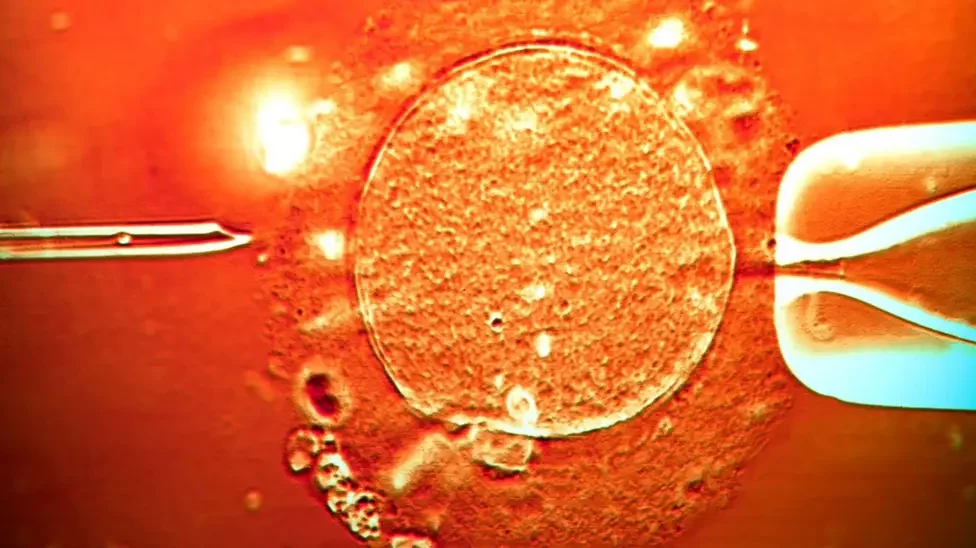
Sperm Donation, Genetic Risk and the Importance of Strong Systems - What This Case Tells Us.
Recent reporting by the BBC and the European Broadcasting Union’s Investigative Journalism Network has uncovered a deeply troubling story: sperm from a single donor, unknowingly carrying a rare cancer-causing genetic mutation, was used to conceive at least 197 children across Europe.
Some of those children have already died. Many others now face a significantly elevated lifetime cancer risk. Families across multiple countries are being contacted with information that no parent ever expects to receive.
It is an understandably distressing story, particularly for people who have used donor sperm, those considering it, or those already navigating the emotional complexity of fertility treatment. At The Fertility Show, we believe it is vital to respond with clarity, context and compassion, and to be very clear about what this case does and does not mean.
This article sets out what we know, what could and could not have been prevented, and what changes are urgently needed to protect families in the future.
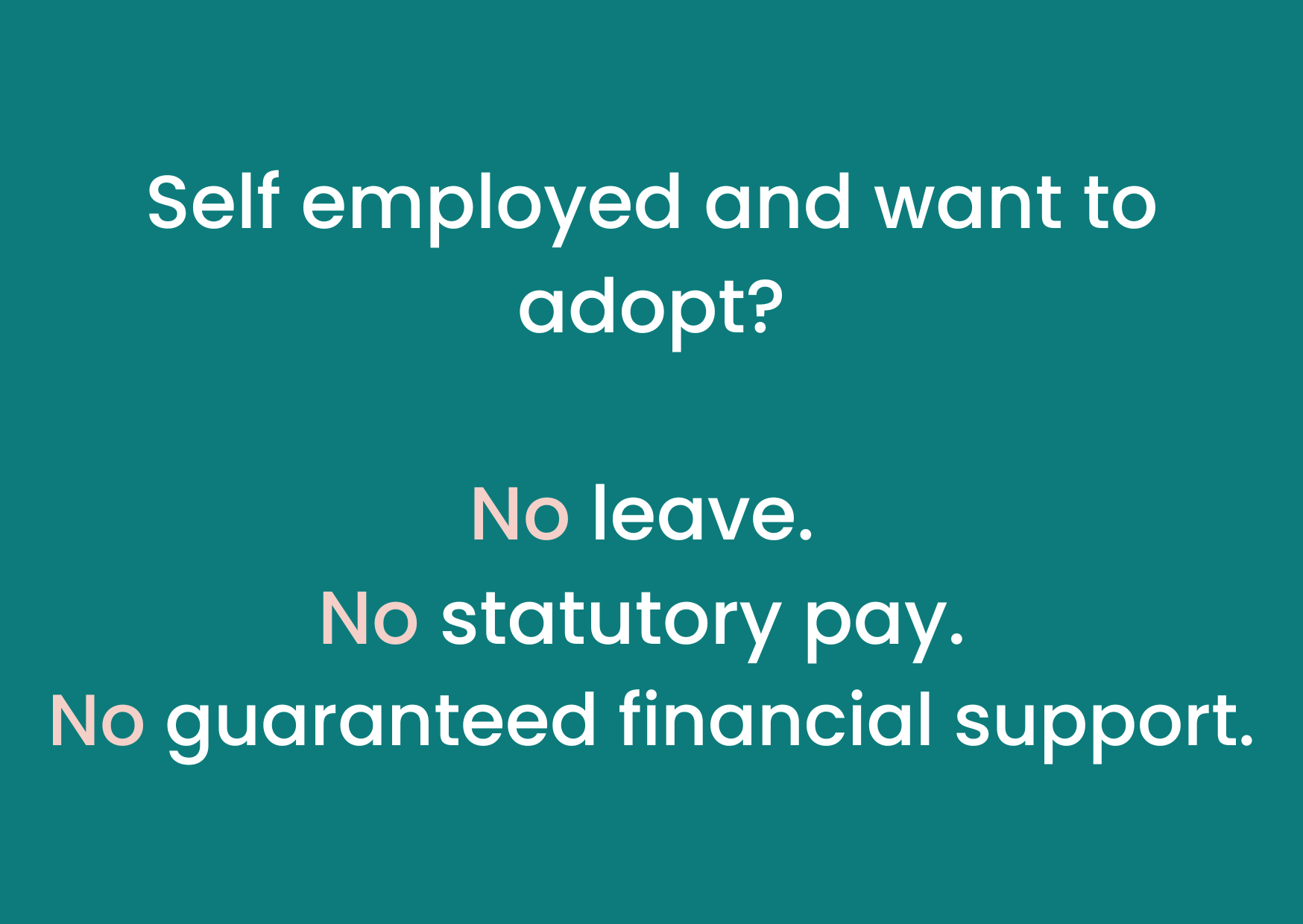
The Forgotten Parents: Why Adoption Leave Excludes the Self-Employed
This week we marked World Adoption Day - a day dedicated to honouring families formed not by biology, but by connection, commitment and love. It is a moment to celebrate the thousands of parents who open their homes and hearts to children who need one. It is a day of positivity, visibility and awareness.
Yet, beneath the graphics, hashtags and heart-on-hand selfies, there sits a truth most people have never heard: Self-employed parents who adopt are not entitled to statutory adoption leave. They are not entitled to statutory adoption pay. They are not entitled to any equivalent financial support.

Fertility Treatment Is Healthcare. So Why Is the UK Still Expecting People To Use Holiday and Sick Days for IVF?
Every year, thousands of people in the UK begin fertility treatment. For many, this isn’t simply a medical pathway, but a deeply emotional, physically demanding and time-sensitive journey that often follows heartbreak, uncertainty and years of trying.
Yet despite this reality, the UK still offers no legal right to paid leave for IVF or fertility-related medical appointments.
In a country where maternity rights are protected and recognised, fertility treatment remains a policy grey zone, leaving people quietly taking sick days, booking annual leave, rearranging workloads, or inventing excuses to attend appointments that may shape their chance of becoming a parent.
We protect pregnancy, but we still don’t protect the path so many need to take to get there.
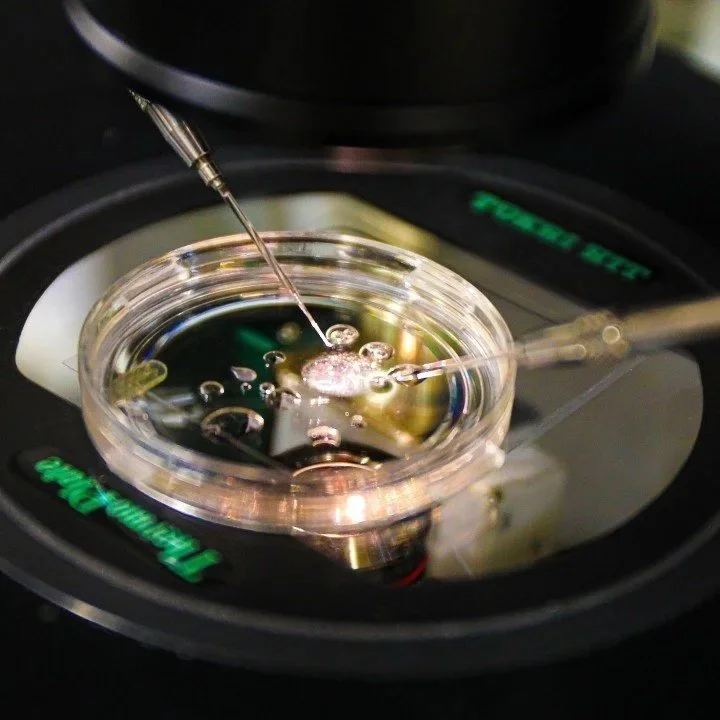
Scientists create embryos from human skin DNA
This month saw a breakthrough that could reshape fertility forever.
For the first time in history, scientists have created early-stage human embryos using DNA from skin cells - potentially opening the door to new ways of overcoming infertility and even allowing same-sex couples to have genetically related children.
It’s a milestone that blurs the boundaries between science fiction and science fact. And while this technology is still many years from clinical use, it raises profound questions about what it means to create life, redefine parenthood, and extend the limits of fertility as we know it.