

Men Have a Biological Clock Too - and Why the Framing Matters
Written by Sophie Sulehria
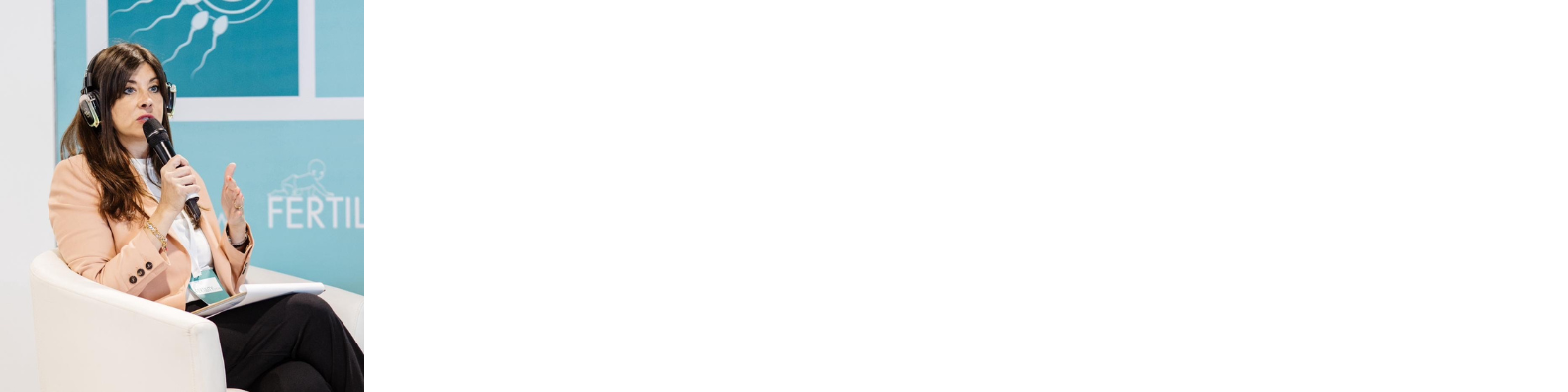
Dr Theresa Larkin's recent article in The Independent “Men Have a Biological Clock Too" makes a timely and important contribution to the fertility conversation. The science around male fertility, ageing and reproductive health is well established, yet public understanding has not always kept pace. Sharing this evidence in the mainstream setting helps widen awareness and invites a more balanced discussion.
Dr Larkin sets out how sperm quality changes with age, how genetic risk can increase, and how lifestyle and environmental factors influence male fertility. For many readers, this information will feel new. Not because it is recently discovered, but because male fertility has so often sat on the periphery of fertility conversations. In that sense, the article helps to move the conversation forward.

Reading it, however, I found myself reflecting on the language we all use when we talk about fertility, starting with the article title itself. Men Have a Biological Clock Too is accurate, but the word ‘too’ implies that fertility mainly belongs to women, with men added on afterwards. A title such as Men Have a Biological Clock would have worked just as well and, might have felt more inclusive.
This might sound like a small detail, but words do shape how we think. For a long time, fertility has mostly been talked about in relation to women’s bodies. Women are often encouraged to keep an eye on the clock, track their cycles and think about timing. Men, on the other hand, have grown up with the idea that time is largely on their side. Dr Larkin’s article helps rebalance that, simply by pointing out that male fertility also changes with age and health.
The intention here is not to compare or compete. Male and female fertility are connected but different. When fertility is talked about as mainly a women’s issue, we risk placing disproportionate focus on one partner and delaying investigation, understanding and support for the other. Recognising male fertility as part of the overall picture benefits everyone involved.
Fertility spaces, including conversations, clinics and conferences, have not always been geared with men in mind and many men report they feel unsure where they fit. Articles like Dr Larkin’s help open the door a little wider, making it clear that male fertility matters in its own right and deserves space in the conversation.

At The Fertility Show we see the difference when male fertility is addressed directly and thoughtfully. When men are involved n the discussion early, with sessions that are relevant to them, and when clinical expertise is paired with lived experience, we notice that their engagement deepens. Conversations become more open, and couples often describe feeling more aligned and supported.
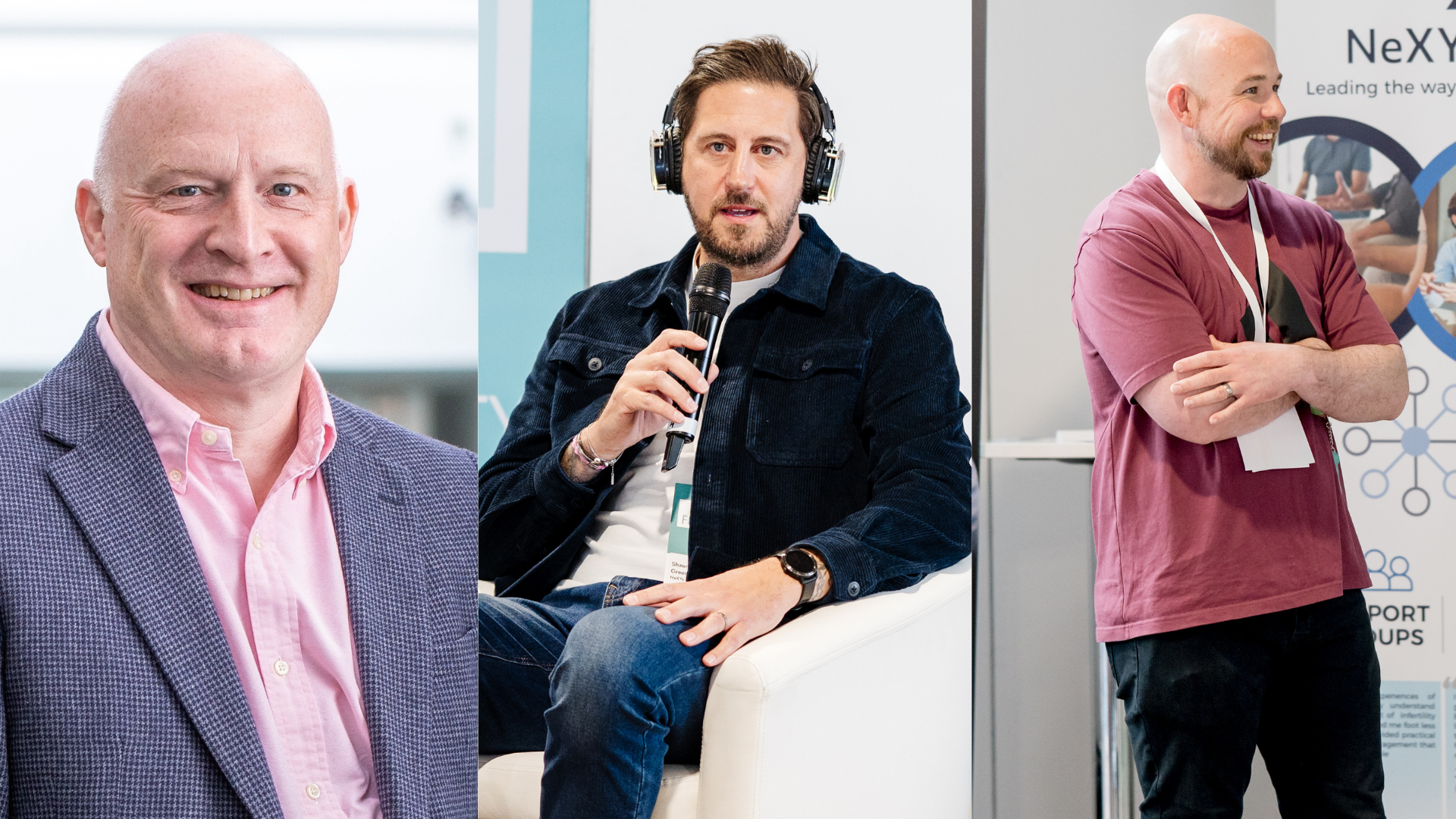
This year’s programme reflects that approach. We are pleased to welcome Professor Allan Pacey, a leading authority in male reproductive health, and GP Dr Anand Patel, alongside dedicated male-focused sessions led by Shaun Greenaway and Ciaran Hannington of NeXYs Fertility. Together, they balance clear evidence with the human side of the story.
The value of Dr Larkin’s article lies not just in the evidence it presents, but in the space it opens up. It encourages us to think more holistically about fertility, not as a women’s issue with men added in, but as a shared experience that unfolds between people. If we can continue to refine our language, broaden our focus and design spaces that feel genuinely inclusive, we move closer to fertility care that is not only more accurate, but more compassionate too.
Dr Larkin’s article is valuable not only for the evidence it presents, but in the space it opens up. It reminds us that fertility isn’t something that sits with one person and then extends to the other, it’s shared from the start. Even small changes in how we talk about it can help make that clearer. When both partners are included naturally in the discussion, care feels more straightforward, balanced and supportive for everyone involved.