Sperm Donation, Genetic Risk and the Importance of Strong Systems - What This Case Tells Us.
By Sophie Sulehria
Recent reporting by the BBC and the European Broadcasting Union’s Investigative Journalism Network has uncovered a deeply troubling story: sperm from a single donor, unknowingly carrying a rare cancer-causing genetic mutation, was used to conceive at least 197 children across Europe.
Some of those children have already died. Many others now face a significantly elevated lifetime cancer risk. Families across multiple countries are being contacted with information that no parent ever expects to receive.
It is an understandably distressing story, particularly for people who have used donor sperm, those considering it, or those already navigating the emotional complexity of fertility treatment. At The Fertility Show, we believe it is vital to respond with clarity, context and compassion, and to be very clear about what this case does and does not mean.
This article sets out what we know, what could and could not have been prevented, and what changes are urgently needed to protect families in the future.
What Happened?
The investigation revealed that an anonymous sperm donor, who began donating as a student in 2005, unknowingly carried a mutation in the TP53 gene. This gene plays a critical role in preventing cells from becoming cancerous. When it does not function correctly, the risk of developing multiple cancers over a lifetime increases dramatically.
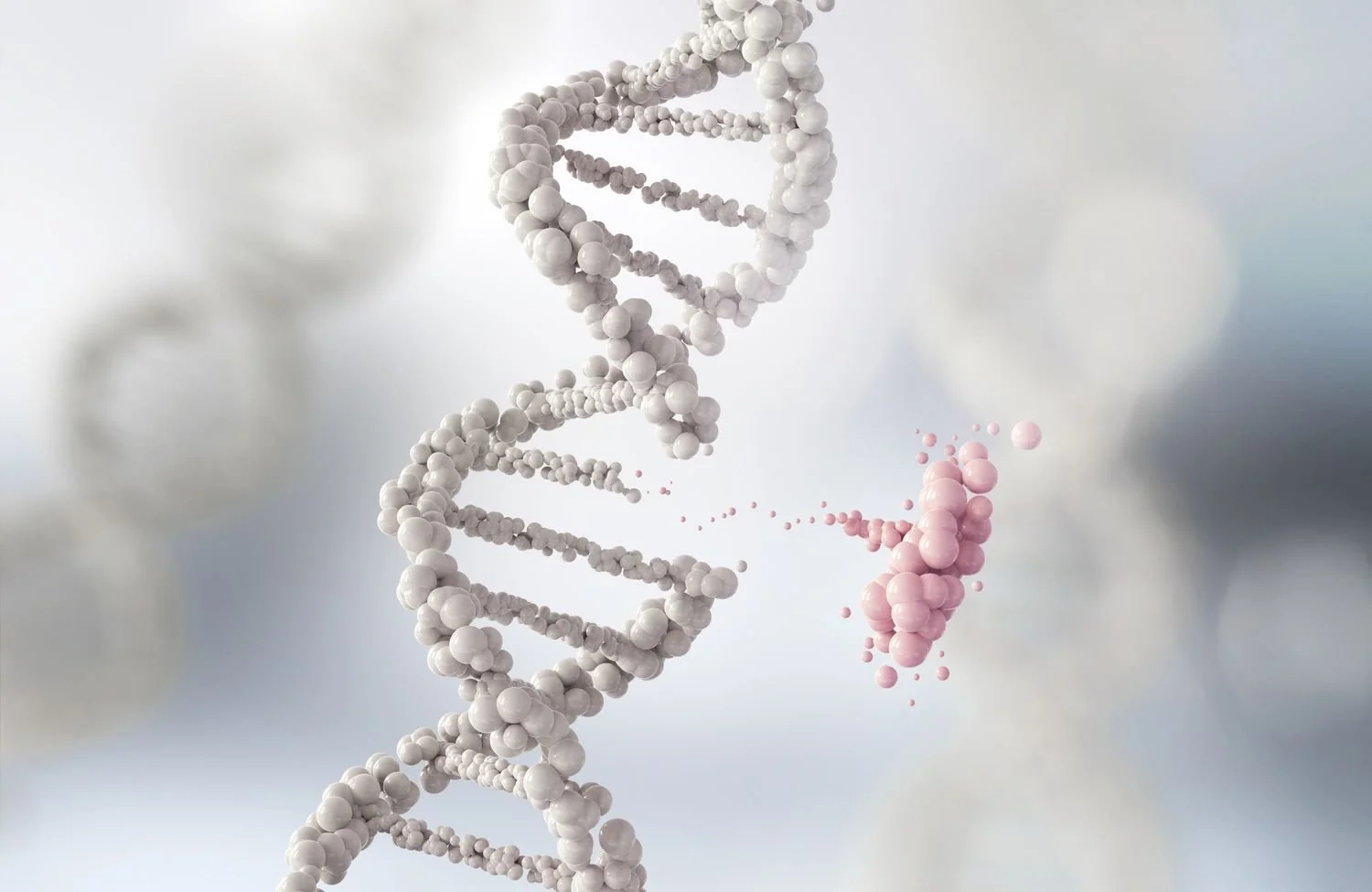
Crucially, the donor himself was healthy. He passed all the screening checks required at the time and showed no signs of illness. The mutation was not present throughout his body - instead, it was found in a proportion of his sperm, estimated to be up to 20%.
This is known as mosaicism, where a genetic mutation is present in some cells but not others. In this case, the mutation likely occurred before the donor was born, affecting only part of his genetic material. It did not show up in routine screening and could not have been identified using standard donor testing.
However, any child conceived using sperm that carried this mutation inherited it in every cell of their body. For those children, the lifetime risk of developing cancer is estimated to be around 90%.
The sperm was distributed to 67 clinics across 14 countries over a period of approximately 17 years. While it was not sold to UK clinics, a very small number of UK families accessed treatment in Denmark and have now been informed.
What We Know, And What We Do Not
It is important to be clear about several key facts.
First, no one involved knew. Not the donor. Not the sperm bank. Not the clinics using the sperm. The donor was healthy and passed all required screening. The mutation was not detectable using the testing available and required at the time.
Second, this was not a failure of an individual clinic or practitioner, nor evidence of negligence. The systems in place worked as they were designed to work - but they were not designed to manage a risk of this scale across borders.
Third, donor conception remains safe when carried out through regulated clinics. Only around 1–2% of potential sperm donors ever pass screening. The vast majority are ruled out due to medical, genetic or lifestyle factors. Regulation, oversight and careful governance remain the cornerstone of donor safety.
This case is not evidence that donor conception is inherently unsafe. It is evidence that when donor sperm is used across multiple countries without shared oversight, the impact of a rare, undetectable event can be multiplied far beyond what anyone intended.
Could This Have Been Prevented?
From a medical perspective, the answer is no. The TP53 mutation in this case could not have been detected using standard donor screening. Even with today’s advances in genetic testing, mosaic mutations like this can remain invisible unless extremely targeted testing is performed, and even then they may be missed.
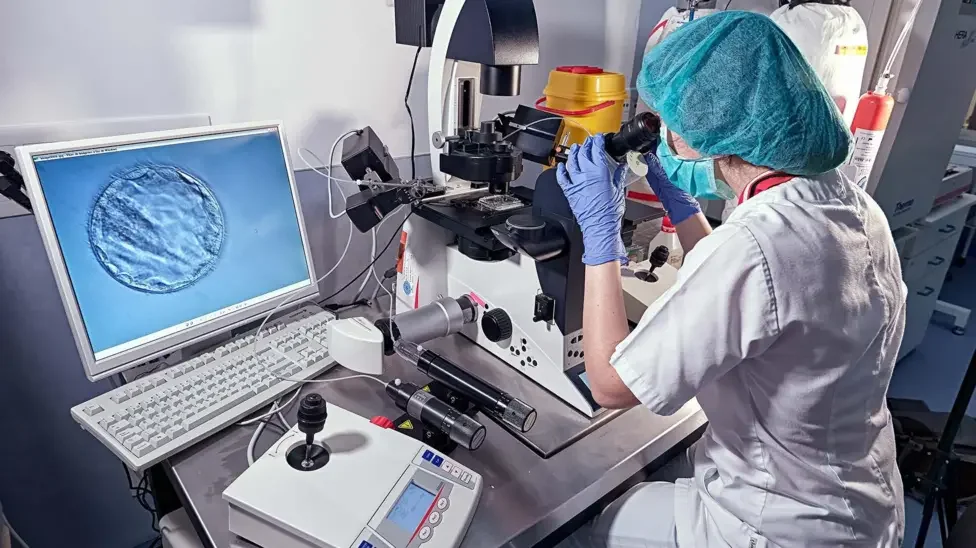
However, while the mutation itself could not have been prevented, the scale of its impact absolutely could have been reduced. One donor should never unknowingly go on to affect nearly 200 families. That is not a medical inevitability - it is a systemic failure.
The European Society of Human Reproduction and Embryology (ESHRE) recommends a limit of 50 families per donor. This limit is not perfect, but it is designed to reduce both genetic risk and the social and psychological implications of donor conception.
In this case, the absence of a shared European or global donor register meant that the same donor could be used repeatedly across borders, with no single authority able to see the full picture.
Why Cross-Border Fertility Care Matters Here
Cross-border fertility treatment is a reality for many people. Patients may travel due to cost, availability, waiting times, legal restrictions or access to specific treatments. This is particularly true for single women, same-sex couples and those seeking donor gametes. The issue is not that people seek care across borders. The issue is that systems have not kept pace with that reality.
When sperm or eggs are used across multiple countries, without shared registers or aligned family limits, no single regulator can monitor cumulative impact. A donor who appears to be within acceptable limits in one country may already have been used extensively elsewhere.
This case highlights the urgent need for shared oversight in a Europe where fertility treatment increasingly crosses national boundaries.
What Needs to Change
At The Fertility Show, we believe this case makes one thing unmistakably clear: we need better systems, not more fear.
Specifically, we urgently need:
A Europe-wide donor register that allows regulators to track donor usage across borders
Shared data between countries and clinics
Aligned family limits, so donors cannot unknowingly exceed recommended thresholds by donating internationally
This is not a complex scientific challenge. It is a policy and governance issue. The technology already exists. What is required is coordination, political will and agreement that patient safety must come first.
These changes would not eliminate all risk - no medical process can - but they would dramatically reduce the potential for rare events to have devastating, large-scale consequences.
The Role of Regulation - And Why It Still Matters
In the UK, fertility treatment is overseen by the Human Fertilisation and Embryology Authority (HFEA), which has one of the most robust regulatory frameworks in the world.
In response to this case, the HFEA confirmed that a very small number of UK women were affected after receiving treatment in Danish clinics, and that those individuals have been informed by the clinics where their treatment took place.
As the HFEA rightly stated, the UK regulator only holds information about treatment carried out in the UK. This underlines precisely why international coordination is essential when treatment crosses borders.
Strong national regulation works. But in a global fertility landscape, it cannot operate in isolation.
Supporting Families Affected

For families directly impacted by this news, the focus now must be on support, information and care.
Receiving news about a genetic cancer risk is life-altering. It raises questions about surveillance, long-term health, family planning and emotional wellbeing. No family should be left to navigate that alone.
We strongly encourage anyone affected to seek specialist genetic counselling and ongoing medical support, and to lean on trusted clinical teams who can guide them through next steps with clarity and compassion.
A Final Word - Context Matters
Stories like this understandably provoke fear. But context is essential.
This case represents an extremely rare event, compounded by the absence of shared systems across borders. It does not mean donor sperm is unsafe. It does not mean clinics are careless. And it does not mean people who chose donor conception made the wrong decision.
Most importantly, it should not drive people towards unregulated routes out of fear.
Many people turn to unregulated self-insemination because access to regulated fertility care is limited, expensive or legally restricted. Yet those routes often involve far less screening, oversight and follow-up.
The answer is not to abandon regulation, but to strengthen it - and to make safe, regulated fertility care accessible to all who need it.
The Fertility Show brings together leading fertility experts from the UK and overseas, alongside the HFEA, for open and honest conversations you can trust. It’s a space for clear, expert guidance and evidence-based information, without the noise. Tickets go on sale in early January - join us and be part of the conversation.