

What ESHRE 2026 Means for Patients: The Biggest Fertility Stories from This Year's Congress
Written by Sophie Sulehria
Every year, the European Society of Human Reproduction and Embryology (ESHRE) Annual Meeting brings together thousands of fertility specialists from around the world to share the latest research, debate emerging ideas and explore what the future of reproductive medicine might look like.
This year, I attended ESHRE for the first time as Content Director of The Fertility Show.
Over four days, I listened to researchers, clinicians, embryologists, psychologists and policymakers discuss everything from IVF success rates and lifestyle interventions to premature ovarian insufficiency (POI), miscarriage, male fertility, artificial intelligence and access to treatment.
It was inspiring, thought-provoking and, at times, overwhelming.
The science is moving incredibly quickly.
But one thing became very clear: progress in fertility isn't just about discovering new treatments. It's about making sure patients can access them, understand them and feel supported throughout their journey.
Here are some of the biggest themes that emerged from ESHRE 2026, and why they matter…
Access remains one of the biggest challenges in fertility care
Scientific breakthroughs mean little if people cannot benefit from them.
One of the strongest messages throughout the conference was that access to fertility treatment remains unequal across Europe and beyond.
New research presented at ESHRE found that affordability is one of the biggest drivers of whether people receive fertility treatment. Researchers estimated that halving patients' out-of-pocket costs could more than double the number of babies born through assisted reproductive technology (ART).

During my interview with ESHRE Chair-elect Professor Borut Kovacic, one message particularly stood out: technological progress should benefit everyone, not only those who can afford the latest treatments.
As fertility medicine advances, ensuring fair and equitable access will remain one of the defining challenges for healthcare systems and policymakers.
Read more: Why Affordability Could Be The Biggest Fertility Issue Facing Patients.
Lifestyle matters - but the conversation is becoming more balanced
Lifestyle and fertility continue to generate huge interest, and Professor Jim Toner's session challenged several long-held assumptions.
Evidence presented at ESHRE suggested that folic acid, omega-3 intake, a Mediterranean-style diet and good sleep may all play a positive role in supporting fertility.
But perhaps even more importantly, the session challenged some of the myths that patients have carried for years.
The evidence discussed suggested that stress itself does not reduce IVF success rates.
For many people who have blamed themselves after unsuccessful treatment, that is an incredibly important message.
Patients deserve evidence-based guidance, not guilt.
Read more: What I Learned About the Importance of Lifestyle and Nutrition.
Fertility treatment continues to evolve
The latest European data showed more than 1.15 million fertility treatment cycles were reported across Europe during 2023, resulting in more than 247,000 babies.
One of the biggest changes in practice is the continued growth of frozen embryo transfer (FET), alongside an ongoing reduction in transferring multiple embryos.
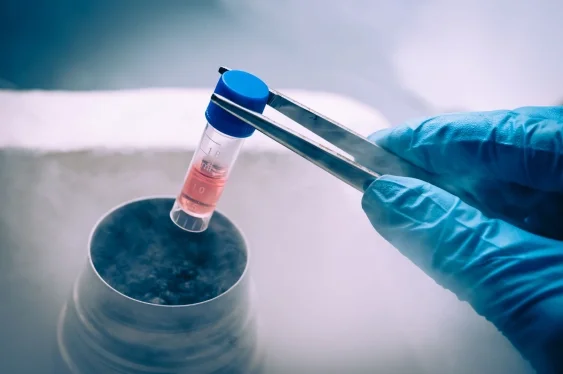
These developments are helping clinics improve safety while maintaining strong treatment outcomes.
Large datasets like these allow clinicians to understand how fertility care is changing over time and help shape future best practice.
Read more: What Europe's Latest IVF Data Tell Us About The Future of Fertility Care.
Pregnancy loss deserves greater attention
Another important study highlighted rising hospital admissions for miscarriage and ectopic pregnancy in England following the COVID-19 pandemic.
Perhaps even more concerning were the persistent inequalities identified throughout the research.
Women living in the most deprived communities were significantly more likely to experience hospital admissions related to miscarriage and ectopic pregnancy than those living in the least deprived areas.
The findings reinforce that reproductive health is shaped not only by biology, but also by wider social and economic factors.
Improving outcomes means improving access to high-quality early pregnancy care for everyone.
Read more: Why Are Miscarriage and Ectopic Pregnancy Admissions Rising Again?
The conversation around male fertility is expanding
Male fertility featured prominently throughout this year's congress.
Researchers explored how environmental factors may influence sperm health, while wider discussions continued to challenge the long-standing imbalance in fertility care that often places the focus almost entirely on women.
Increasingly, experts are recognising that improving fertility care means improving support for everyone involved.
Read more: Could Where You Live Affect Male Fertility?
Hope needs to be matched by evidence
Several sessions focused on emerging treatments for Premature Ovarian Insufficiency (POI) and other reproductive conditions.

While exciting new areas of research - including platelet-rich plasma (PRP) and immune-based therapies - continue to develop, experts emphasised that many interventions still require stronger evidence before becoming part of routine clinical care.
For patients desperate for answers, this was an important reminder that new does not always mean proven.
Innovation should always be accompanied by honest conversations about what we know, and what we still don't.
Mental health is finally becoming part of the fertility conversation
Another recurring theme throughout ESHRE was psychological wellbeing.
Researchers explored the complex relationship between infertility, reproductive health conditions and mental health, highlighting that infertility itself can have a profound emotional impact.

ncreasingly, experts are calling for psychological support to be seen as an integral part of fertility care rather than an optional extra.
Supporting patients emotionally is not separate from good fertility care, it is part of it.
Looking ahead
One of the greatest privileges of attending ESHRE was speaking directly with the people helping shape the future of reproductive medicine, including ESHRE Chair, Professor Dr Anis Feki Anis Feki and Chair-elect, Professor Borut Kovacic.
Our conversations explored everything from artificial intelligence and personalised medicine to fertility policy, international collaboration and the growing challenge of misinformation online.
We'll be sharing those interviews in the coming weeks, alongside further analysis of the research presented at this year's congress.
The biggest takeaway
If I left ESHRE with one overwhelming impression, it was that science is advancing at an extraordinary pace.
Researchers are discovering more about fertility every year. Treatments continue to evolve. Technology is opening possibilities that would have seemed unimaginable a decade ago.
But real progress means patients receiving clear information they can trust. Via psychological support alongside medical treatment, and reducing inequalities in care, and ensuring that new treatments are supported by robust evidence.
And it means making sure innovation is available not just to the fortunate few, but to everyone who needs it.
The Fertility Show will continue unpacking the biggest stories from ESHRE 2026, bringing together the latest research, exclusive interviews and practical insights to help you understand what today's science could mean for tomorrow's fertility care.