POI affects 1 in 27 women… so why is it still being treated like a rare condition?
Written by Sophie Sulehria

Premature ovarian insufficiency is far more common than previously believed. Yet millions of women may still be going undiagnosed, under treated and overlooked by medical research, a new white paper suggests
By the time I was told I had premature ovarian insufficiency, I had already been through two laparoscopies for stage four endometriosis that had already taken so much from me. Then I discovered that my egg count was low and that I also had POI and I was devastated. It was another diagnosis to absorb, another unexpected blow to my fertility and another condition that most people around me had never heard of.
Even now, when I tell people I have premature ovarian insufficiency, I often have to explain what it means. Yet new international evidence suggests POI may affect as many as one in 27 women - and that is not in any way rare. Which raises a difficult question: why is a condition affecting so many women still so poorly understood, under diagnosed and under-researched?
A new white paper, Premature Ovarian Insufficiency: An Investment Case for the 1 in 27, argues that POI can no longer be treated as a niche reproductive issue. Produced by The POInt in consultation with the Daisy Network, it calls for earlier diagnosis, better care, more research and greater investment. For women like me, that change cannot come soon enough.
What is premature ovarian insufficiency?
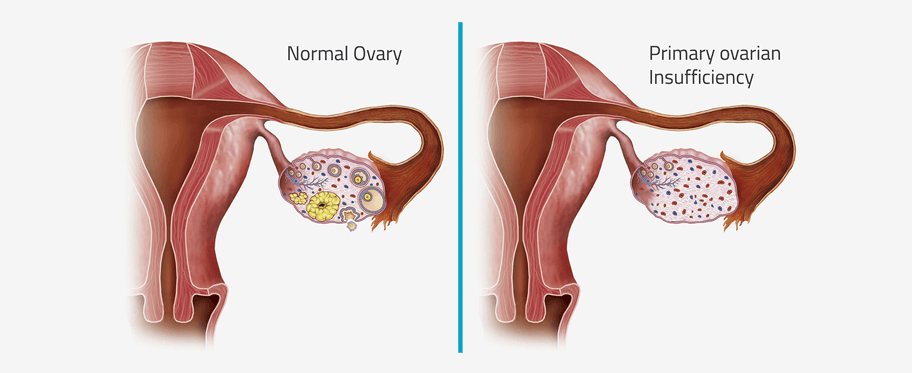
Premature ovarian insufficiency, or POI, occurs when the ovaries stop functioning as expected before the age of 40. Periods may become irregular or stop altogether. Women can also experience symptoms linked to low oestrogen, including:
Hot flushes and night sweats
Difficulty sleeping
Low mood or anxiety
Brain fog and fatigue
Reduced libido
Vaginal dryness or discomfort
POI is sometimes described as early menopause, but the two are not exactly the same.
With POI, ovarian activity can fluctuate and periods or ovulation may occasionally return. It also happens at an age when neither a woman nor her doctor may be expecting to see symptoms associated with menopause.
POI can be linked to genetic conditions, autoimmune disorders, surgery or medical treatments such as chemotherapy. However, in many cases, no clear cause is ever found.
For years, POI was described as a condition affecting around one in 100 women. Updated international evidence now suggests the true figure could be closer to 3.7% - around one in 27. So in a group of just 27 women, statistically one may experience POI.
Yet many will never have heard of it until it happens to them.
It affects far more than fertility
For me, the diagnosis was initially bound up with fertility.
After the physical and emotional impact of stage four endometriosis, being told that my egg count was low was incredibly difficult. I had already endured surgeries and the devastation endometriosis can cause. POI felt like another layer of loss.
The chance of becoming pregnant naturally is reduced for women with POI, although it is not always impossible. Some who want to have a baby will need fertility treatment, and others end up using donor eggs. But POI is not only about whether a woman can have children.
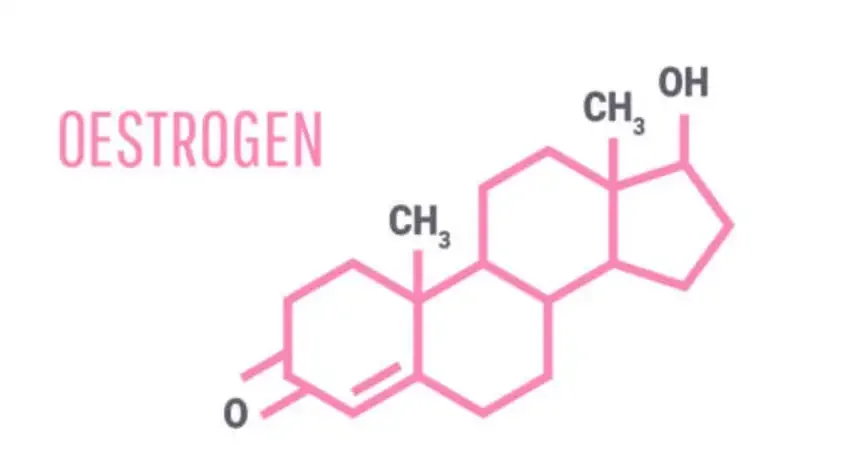
Oestrogen plays an important role throughout the body. Experiencing low oestrogen for many years can affect bone strength and cardiovascular health. Research highlighted in the white paper found higher rates of osteoporosis or osteopenia, heart disease and multiple long-term health conditions among women with POI compared with women who reach menopause at the usual age.
There can also be a considerable psychological impact. Studies cited in the report found that women with POI were more than three times as likely to experience depression and almost five times as likely to experience anxiety. Relationships, sexual wellbeing and overall quality of life can also be affected.
A diagnosis can change how a young woman sees her health, her fertility and the future she had imagined for herself. And because so few people understand POI, it can be an incredibly isolating experience.
Why are women waiting so long for answers?
Despite the potential consequences, POI can take years to diagnose. Research from Hungary found that 17% of patients waited more than three years between their symptoms beginning and receiving a diagnosis. Five per cent waited for more than a decade. Another recent analysis cited in the white paper suggests 17% of women wait at least four years.
We still do not have a reliable UK-wide figure showing the average time it takes to diagnose POI. That lack of information is revealing in itself.
We may know that POI could affect around one in 27 women, but we still do not know how many are being missed, how long they are waiting or whether they receive appropriate treatment after diagnosis.
One of the problems is age. If a woman in her twenties or thirties reports irregular periods, exhaustion, mood changes or poor sleep, ovarian insufficiency may not be the first explanation considered. Her symptoms might be attributed to stress, anxiety, contraception or the pressures of everyday life.
Some women report being offered different hormonal contraceptives without first receiving a full hormonal investigation. This can make the underlying menstrual changes harder to recognise.
But every delay matters. A POI diagnosis is not simply an explanation for symptoms or fertility problems. It can be the point at which treatment begins to protect a woman’s long-term bone and heart health.
I knew something was wrong - but accessing HRT was still a fight
My own difficulties did not end when I received a diagnosis. Later, when I began experiencing hot flushes, night sweats, poor sleep, anxiety, low mood, brain fog and crushing fatigue, I knew my hormones were affecting me. Yet convincing doctors that I needed HRT - despite having a POI diagnosis - was also a fight, because I was deemed to be young (late 30s) there seemed to be a reluctance to accept that these symptoms could be caused by low oestrogen. But my age was not a reason to dismiss the possibility of hormone deficiency. It was precisely why my diagnosis and treatment mattered.
This is one of the most misunderstood aspects of POI.
For women experiencing menopause at the usual age, HRT may be prescribed to manage symptoms and provide other health benefits. For a younger woman with POI, hormone therapy is replacing hormones her body would ordinarily be expected to produce.
It is not simply about easing hot flushes. It may also help protect her bones and cardiovascular health during the years before she reaches the expected age of natural menopause. International guidance recommends hormone therapy for many women with POI, usually until around the age of natural menopause, unless there is a medical reason it cannot be used.
Women should not have to fight to access treatment simply because they appear “too young” to be experiencing symptoms associated with menopause. That is the entire point of POI - it happens early.
Treatment exists - but the evidence has not caught up
The new white paper identifies a troubling contradiction.
Women with POI are already being prescribed HRT, yet no current HRT product has a specific POI indication. Many treatment decisions are still based on evidence gathered from older women experiencing menopause at the usual age.
Younger women with POI may require different doses and could be taking treatment for several decades. But we still lack strong POI-specific evidence to answer some basic questions.
What is the best dose for a woman in her twenties or thirties?
Which type of HRT offers the greatest protection for her bones and heart?
How should her treatment change as she approaches the usual age of menopause?
What effect does it have on her mood, memory and long-term cognitive health?
The international POI guideline published in 2024 contains 145 recommendations. But the white paper notes that many rely heavily on clinical expertise or limited evidence because the necessary studies have not been conducted.
One particularly striking review of hormone therapy and cognitive health, published in 2025, could not find a single eligible study specifically involving women with naturally occurring POI.
In other words, decisions capable of shaping a woman’s health for decades are still being made using evidence that was not gathered from women like her.
For those who cannot take HRT, the options are even more limited. Although non-hormonal treatments are becoming available for some menopause symptoms, there is very little evidence showing how well they work specifically in women with POI.
Research is beginning to catch up
There are signs of progress. The NIHR-funded POISE trial is comparing HRT with the combined oral contraceptive pill in women with POI.
Researchers aim to recruit almost 500 women and follow them for up to five years. They will examine symptoms, bone density, blood pressure, quality of life, sexual function and other measures of health.
The study should help answer an important question: which hormonal treatment best supports women with POI in both the short and long term?
It also proves that large-scale research involving women with POI is possible.
But one publicly funded trial cannot answer every question.
The white paper calls on pharmaceutical companies to invest in research into existing hormone treatments, include women with POI in future menopause studies and develop options for those who cannot take HRT.
Why is the paper talking about investment?
The white paper does something slightly unusual: it makes a commercial case as well as a medical and moral one.
Its argument is simple. If POI affects one in 27 women rather than one in 100, there is a much larger population needing diagnosis, treatment and long-term support than previously recognised.
The authors cite a commercial estimate valuing the global POI treatment market at approximately $1.2 billion, potentially rising to $2.5 billion by 2033. These forecasts need to be treated with caution. Commercial market estimates are not the same as peer-reviewed clinical evidence, and we do not know exactly how many women remain undiagnosed or untreated worldwide.
But the wider message is powerful.
If POI affects 3.7% of women while recorded diagnosis rates remain significantly lower, it is highly likely that a substantial number of women are being missed.
The paper is not necessarily asking pharmaceutical companies to invent an entirely new medicine. Hormone treatments already exist and are already being prescribed. What is missing is investment in research to establish which doses and formulations work best for younger women, how they affect long-term health and what alternatives should be offered when HRT is not suitable.
What needs to change?
The white paper calls for action from policymakers, healthcare professionals and the pharmaceutical industry. It wants POI to be recognised as a distinct women’s health priority rather than becoming lost within broader conversations about menopause or fertility.
It calls for:
Better POI education for GPs and healthcare professionals
Clearer investigation and referral pathways
Earlier recognition of irregular or absent periods in younger women
Greater access to psychological and fertility support
More research involving women with POI
Better evidence about the long-term cost of delayed diagnosis
New options for women who cannot take HRT
Most importantly, women need to be listened to.
A woman experiencing hot flushes, night sweats, disrupted sleep, anxiety, brain fog and fatigue should not be told she is too young for her hormones to be involved.
A woman with irregular or absent periods should not have to wait years for the right investigations.
And a woman diagnosed with POI should not have to become an expert in her own condition simply to persuade healthcare professionals that she needs appropriate care.
POI can no longer remain invisible
This white paper arrives at an important moment.
The long-held “one in 100” statistic has been challenged. New international guidance has created a clearer standard of care. The POISE trial is under way, a global POI registry is being reactivated and patient advocates are making the condition increasingly visible.
But research, awareness and investment have not yet caught up.
I know what it feels like to receive this diagnosis after already enduring years of pain, surgery and uncertainty. I also know what it feels like to experience obvious symptoms and still have to fight to be taken seriously.
POI can affect fertility, relationships, mental health and long-term physical health - sometimes before a woman has even heard the name of the condition.
If it really affects one in 27 women, it cannot continue to fall into the gap between fertility care and menopause medicine.
The patients are already here. Many of the treatments already exist. What women are still waiting for is the research, recognition and care they deserve.
Source: Premature Ovarian Insufficiency: An Investment Case for the 1 in 27, a white paper from The POInt in consultation with the Daisy Network, July 2026. This article is for information only and does not constitute individual medical advice.